The Legal Alpha - Legal news and analysis
For law students
Stay updated. Build your skills. Find opportunities.
The Legal Alpha is your companion beyond the classroom — from understanding the law to preparing for your legal career.
- Latest Legal News National & International
- Landmark Judgments In-depth Analysis
- Practical Resources Guides & Templates
- Opportunities Internships, Jobs & More
- Skill Courses Coming Soon
Latest Update
High Court Enforces Digital-Age Deathbed Gifts and Directs £259,725 Interim Costs Payment
Supreme Court Postpones Hearing on Jagtar Singh Hawara’s Prison Transfer After Intelligence Bureau Flags State Poll Security Concerns
Supreme Court Rejects Bhupesh Baghel’s Plea on Election Petition, Directs Patan Trial to Proceed Without Delay
Police Must Serve the State, Not the Ruling Regime: Madras High Court Rebukes Tamil Nadu Police Over Arbitrary Dawn Detentions and Political Free Speech
Air Breathed by All Has No Religion: Bombay High Court Directs BMC to Restore Dia Mirza's Eco-Diwali Campaign Video
Pre-Release Piracy Injunction: Bombay High Court Protects Epic Film Ramayana via Dynamic Takedown Relief
Supreme Court Quashes Election Body’s Ban on Civil Society Voter Drives: Electoral Bodies Cannot Monopolise Voter Education
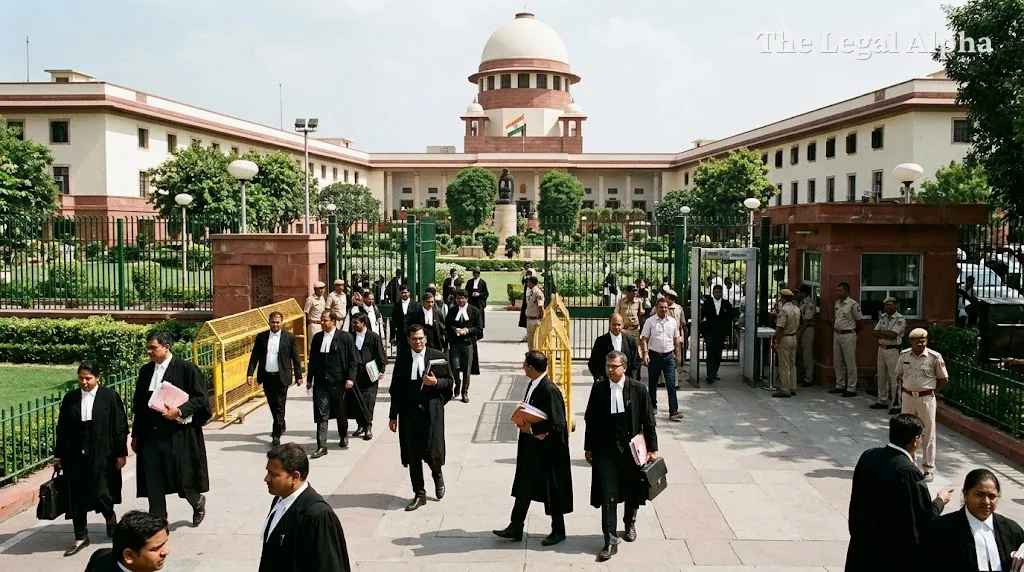
Supreme Court Demands Answers Over Demonstrations on Court Premises and Bar Involvement
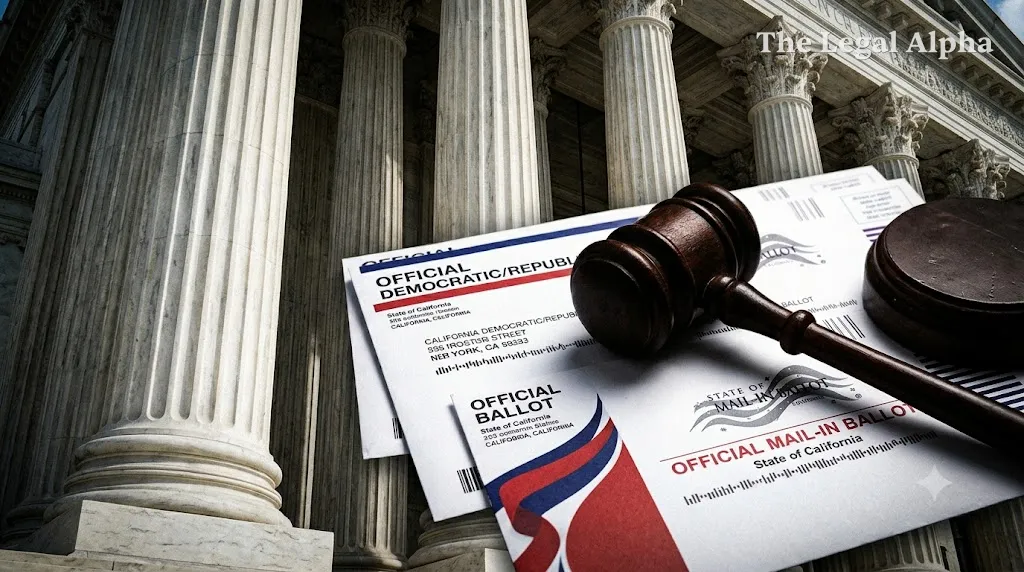
Supreme Court Rebuffs Federal Bid to Segregate 20,000 California Mail Ballots Ahead of Midterm Vote
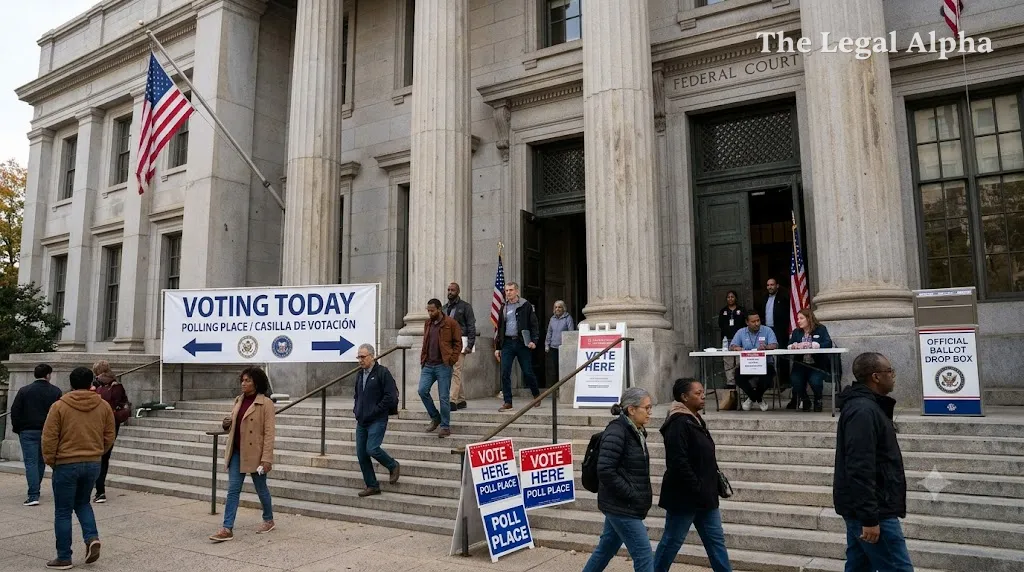
Federal Judge Cautions Justice Department Over Polling Site Deployments Following NAACP Challenge
Federal Judge Tosses Case Against Ex-FBI Officials Over Hunter Biden Laptop Testimony
Polish Presidency Has No Power to Veto Constitutional Tribunal Judges, Legal Lawmakers Assert
Maneka Gandhi v. Union of India (1978): The Judgment That Redefined Personal Liberty
In Maneka Gandhi v. Union of India (1978), the Supreme Court transformed the constitutional understanding of personal liberty by holding that the procedure depriving a person of liberty must be fair, just and reasonable. This landmark judgment reshaped the relationship between Articles 14, 19 and 21 and strengthened constitutional scrutiny of executive power.
R.G. Anand v. Deluxe Films (1978): Idea, Expression and the Limits of Copyright Protection
The Supreme Court’s landmark decision in R.G. Anand v. Deluxe Films established the distinction between an unprotected idea and protected expression, laying down the principles for determining copyright infringement in cases involving substantial similarity and adaptation.
Kesavananda Bharati v. State of Kerala (1973): The Basic Structure Doctrine
The Supreme Court’s landmark decision in Kesavananda Bharati v. State of Kerala established that Parliament can amend any provision of the Constitution, including Fundamental Rights, but cannot alter or destroy its basic structure. The 7:6 judgement remains the foundation of India’s Basic Structure Doctrine.
A.K. Kraipak v. Union of India (1969): Bias, Natural Justice and Administrative Fairness
The Supreme Court's landmark decision in A.K. Kraipak v. Union of India reshaped Indian administrative law by holding that a person with a personal interest in a selection process cannot participate where there is a reasonable likelihood of bias. The judgment also helped move natural justice beyond the rigid administrative and quasi-judicial distinction.